POSEOEM / WORKING TOGETHER
Develop Your Activewear Collection with POSEOEM
Begin with a catalogue style, your own design or a product need still taking shape. We review the product direction, sample requirements and approval points with you before the next project decision.
01 / WHERE TO BEGIN
Three ways to begin.
You do not need every specification before the first conversation. Choose the starting point closest to what you already know.
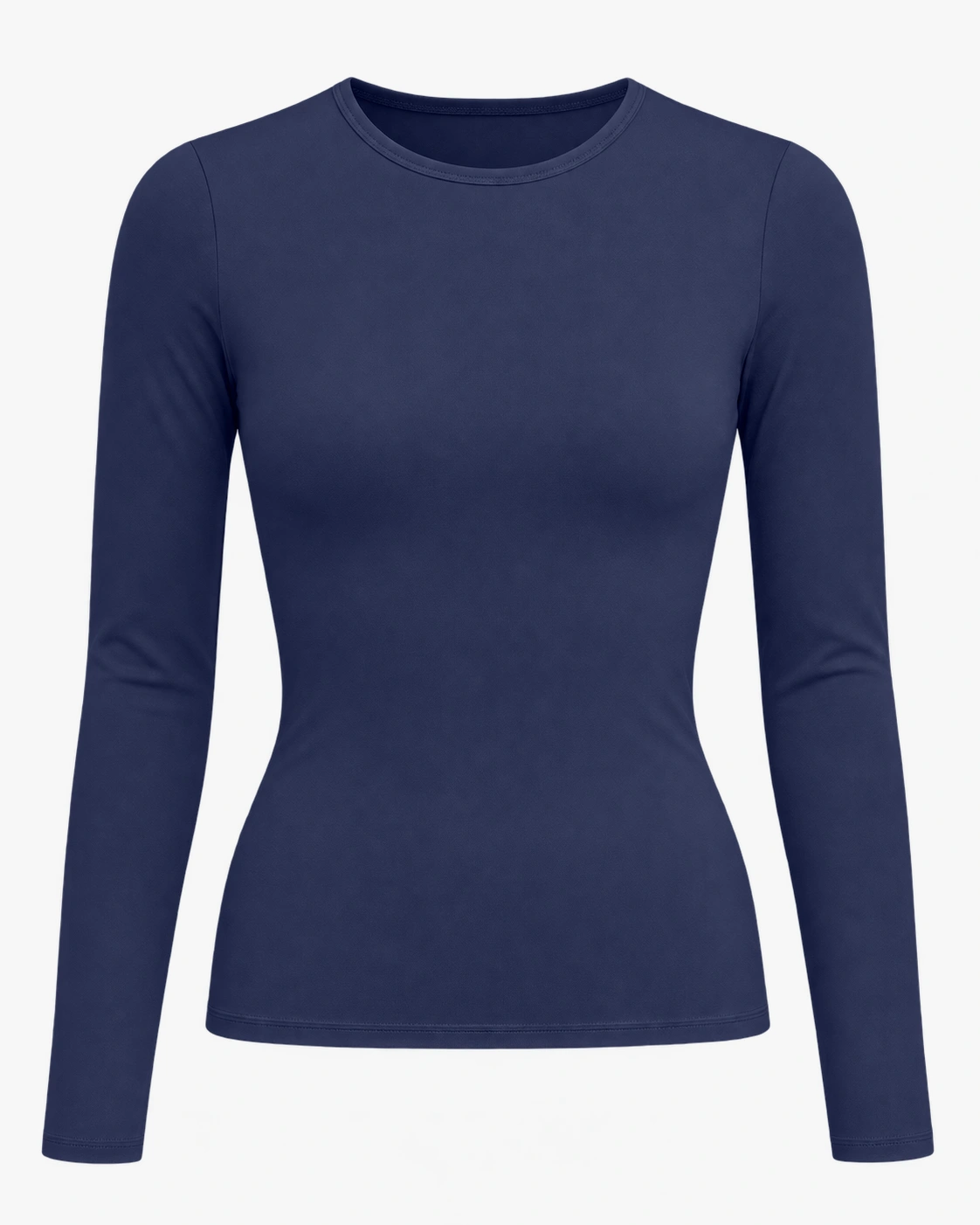
Start with an Existing Style
Choose a real catalogue SKU, then note colours, sizes and branding to discuss.
Explore Product Categories ↗
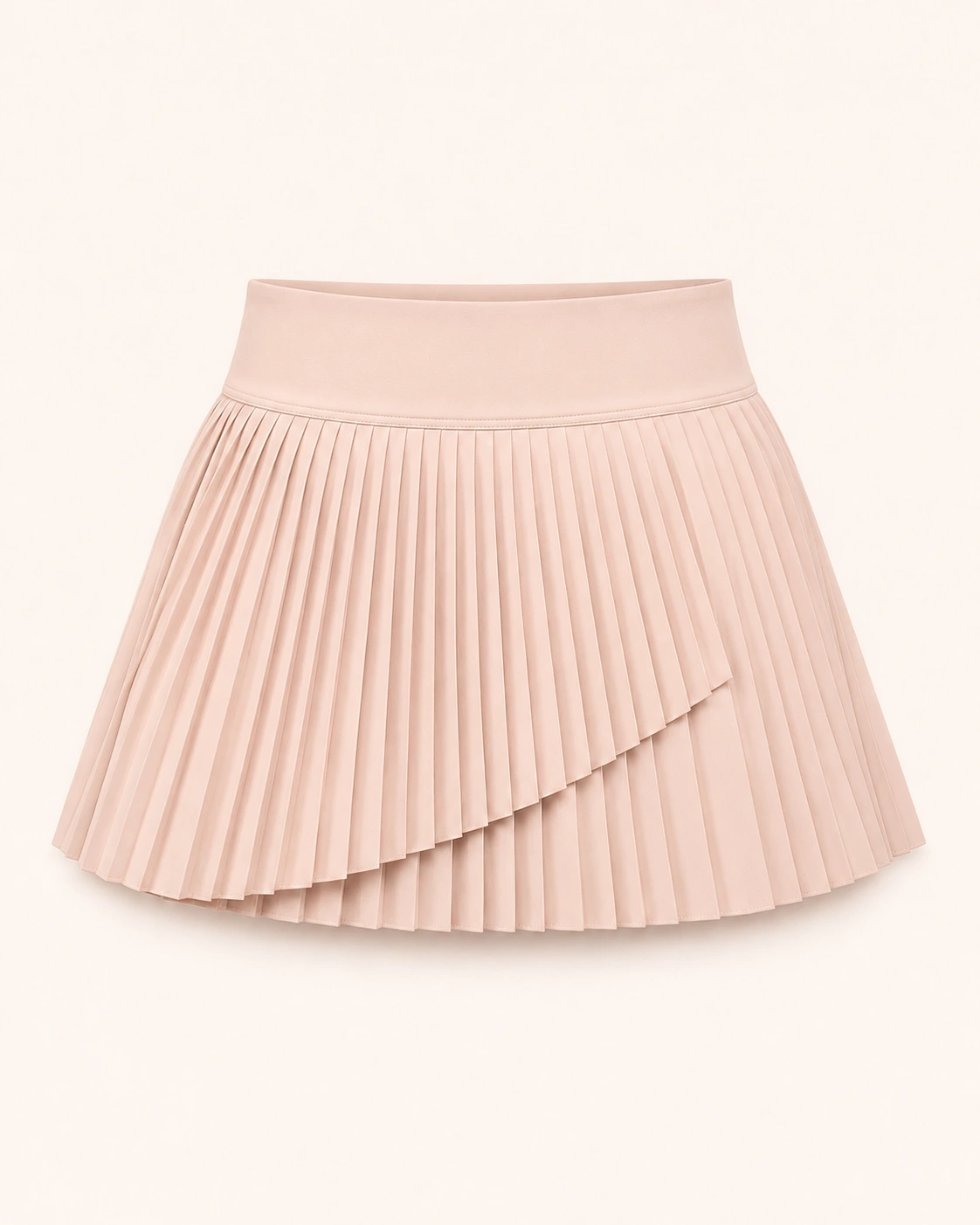
Develop from Your Own Design
Bring a sketch, tech pack, reference image or sample for a project review.
Review Custom Development ↗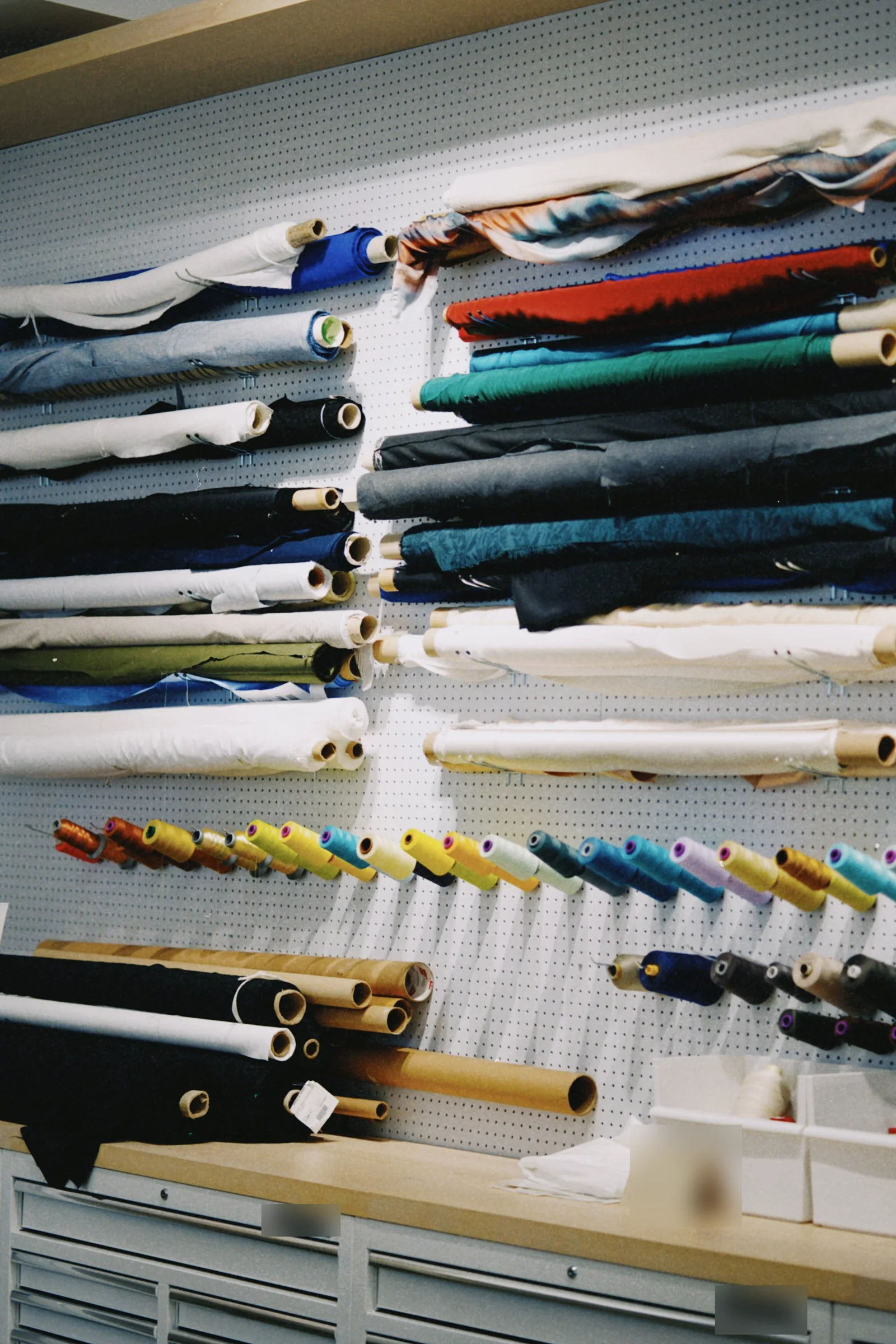
Begin with a Product Need
Describe the product type, activity, target market and open questions.
Explore Activities ↗02 / THE PROJECT PATH
Seven decisions, one clearer route.
Each stage connects what you bring, what we review and what must be confirmed before moving on.
Share Your Requirements
Begin with a SKU, a sketch, a sample or a product need.
- You bring
- Your product idea, intended use and available references.
- We review
- The starting route and missing information.
- Next decision
- A brief to review together.
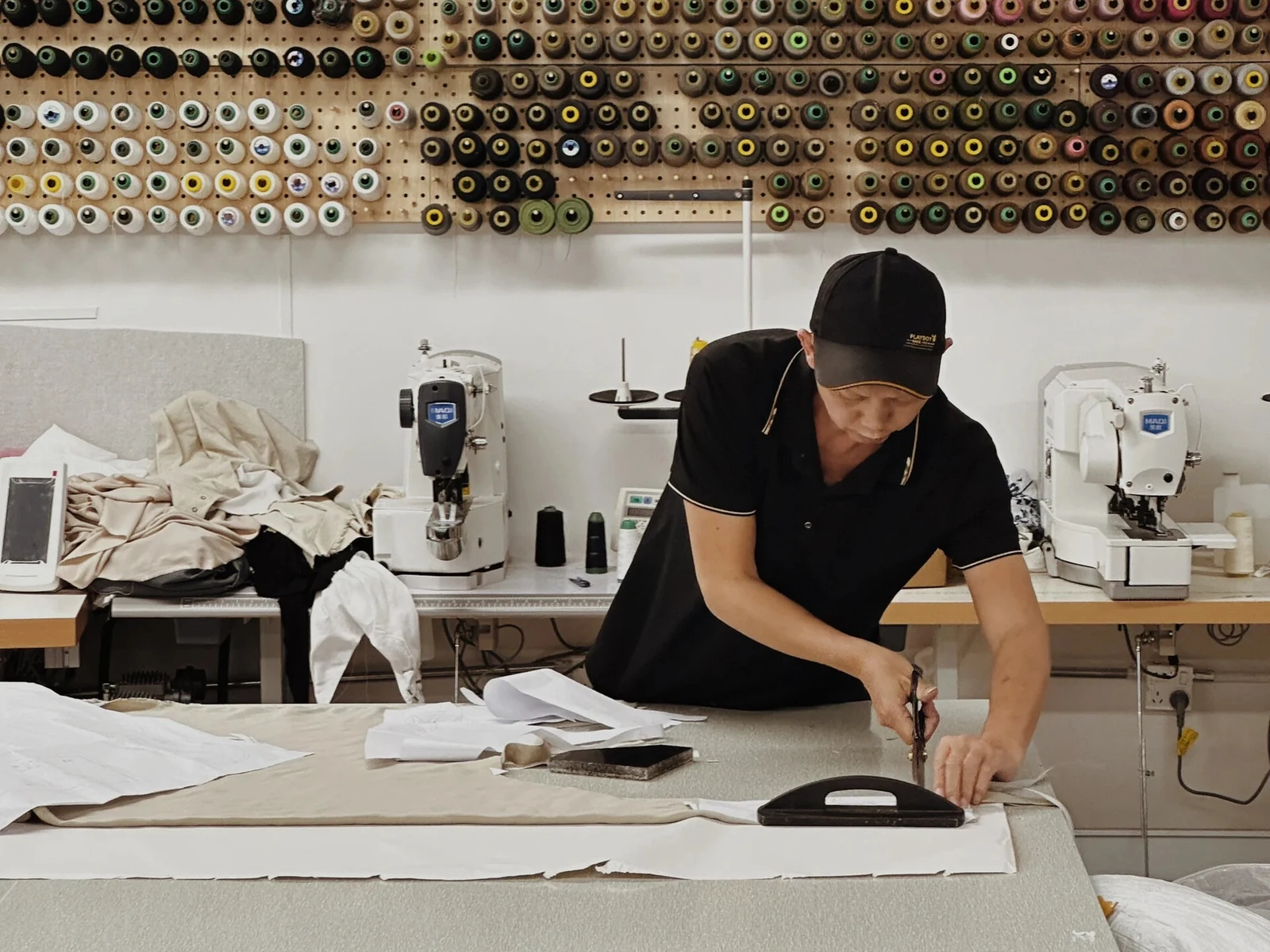
Review the Product Brief
Compare the product, market, quantities and open decisions.
- You bring
- Priorities and known sizes, colours or quantities.
- We review
- Style scope, material direction and open points.
- Next decision
- Confirmed and open requirements recorded.
Confirm the Development Direction
Agree which style, material and construction questions move forward.
- You bring
- Preferred route and details that must remain unchanged.
- We review
- Options and project conditions for that direction.
- Next decision
- A defined scope, subject to project review.
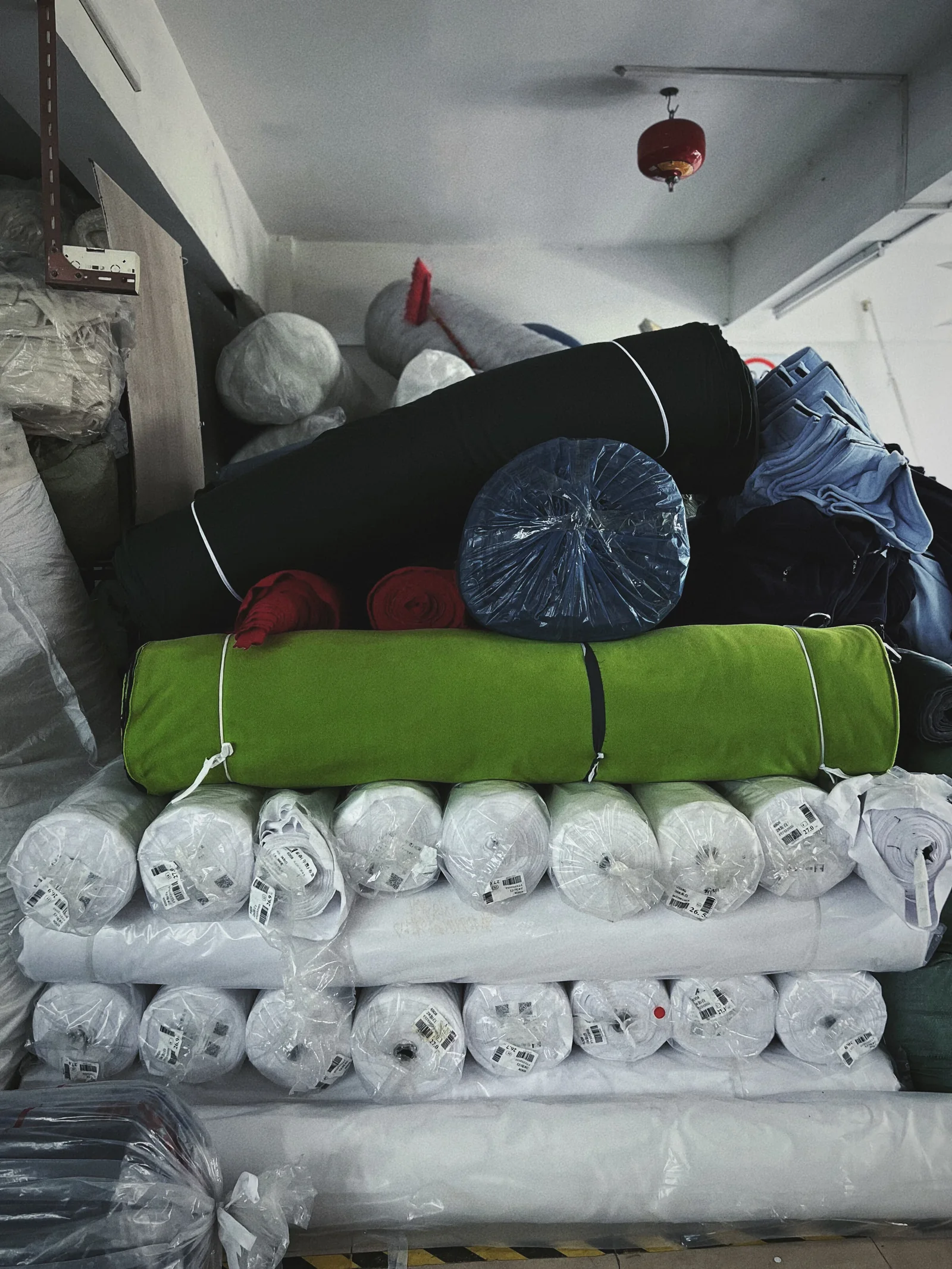
Review the Sample
Where sampling is agreed, review fit, measurements and construction.
- You bring
- Feedback on the relevant sample version.
- We review
- Measurements and requested changes against the brief.
- Next decision
- Revisions recorded or a sample reference approved.
Confirm the Approved Requirements
Record the sample, measurements, material, colour and branding.
- You bring
- Approval or clearly documented changes.
- We review
- The applicable specification and unresolved points.
- Next decision
- An approval reference; bulk release remains a separate decision.
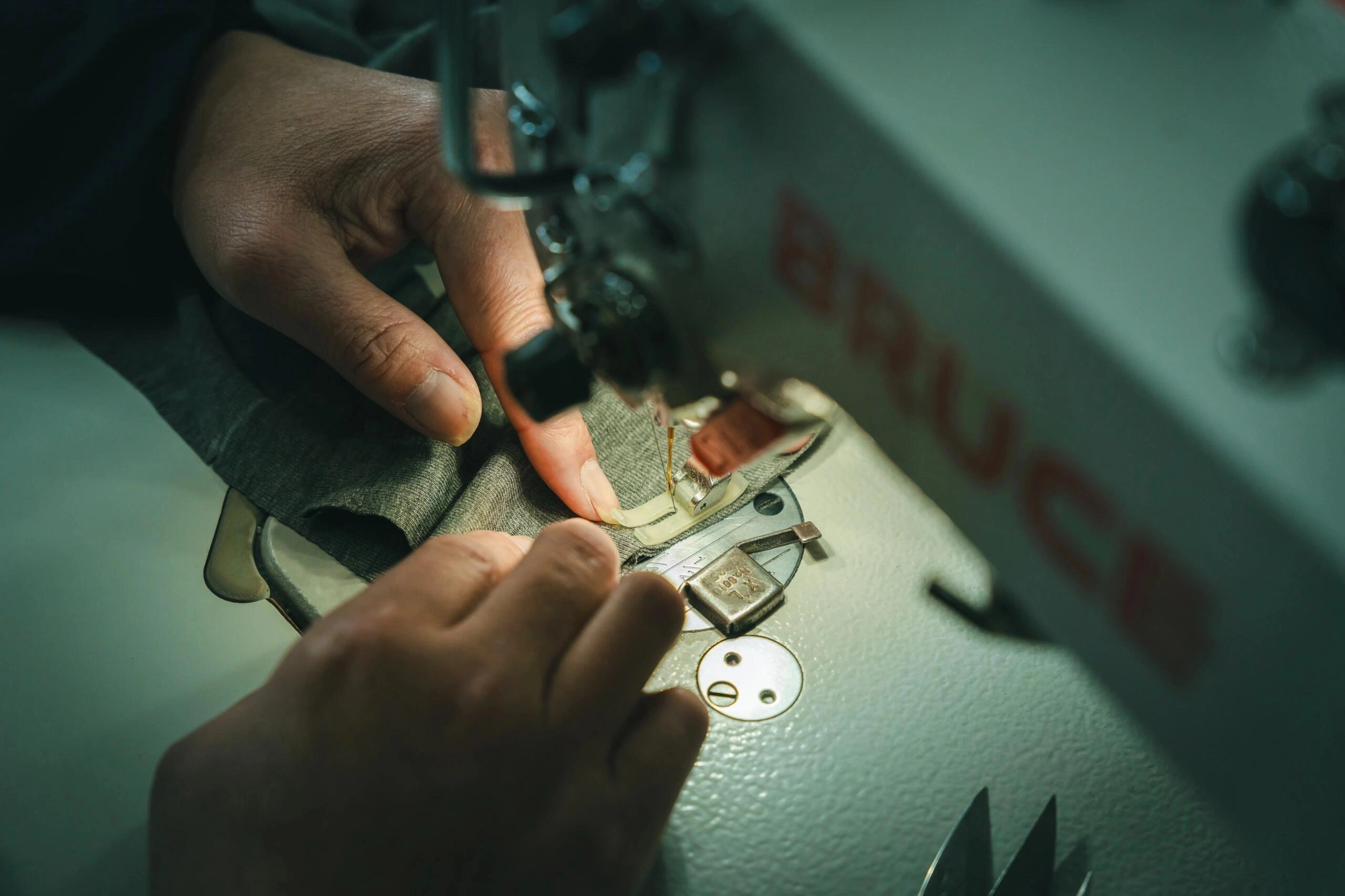
Production and Project Updates
Review changes against approved references and agreed checkpoints.
- You bring
- Decisions on proposed changes to approved scope.
- We review
- Relevant information under the agreed project plan.
- Next decision
- Changes recorded before the next agreed milestone.
After-Delivery Feedback
Review a reported issue against the order and approved record.
- You bring
- SKU, order details, description and relevant photos.
- We review
- The reported item against the applicable references.
- Next decision
- A documented review and project-specific next step.
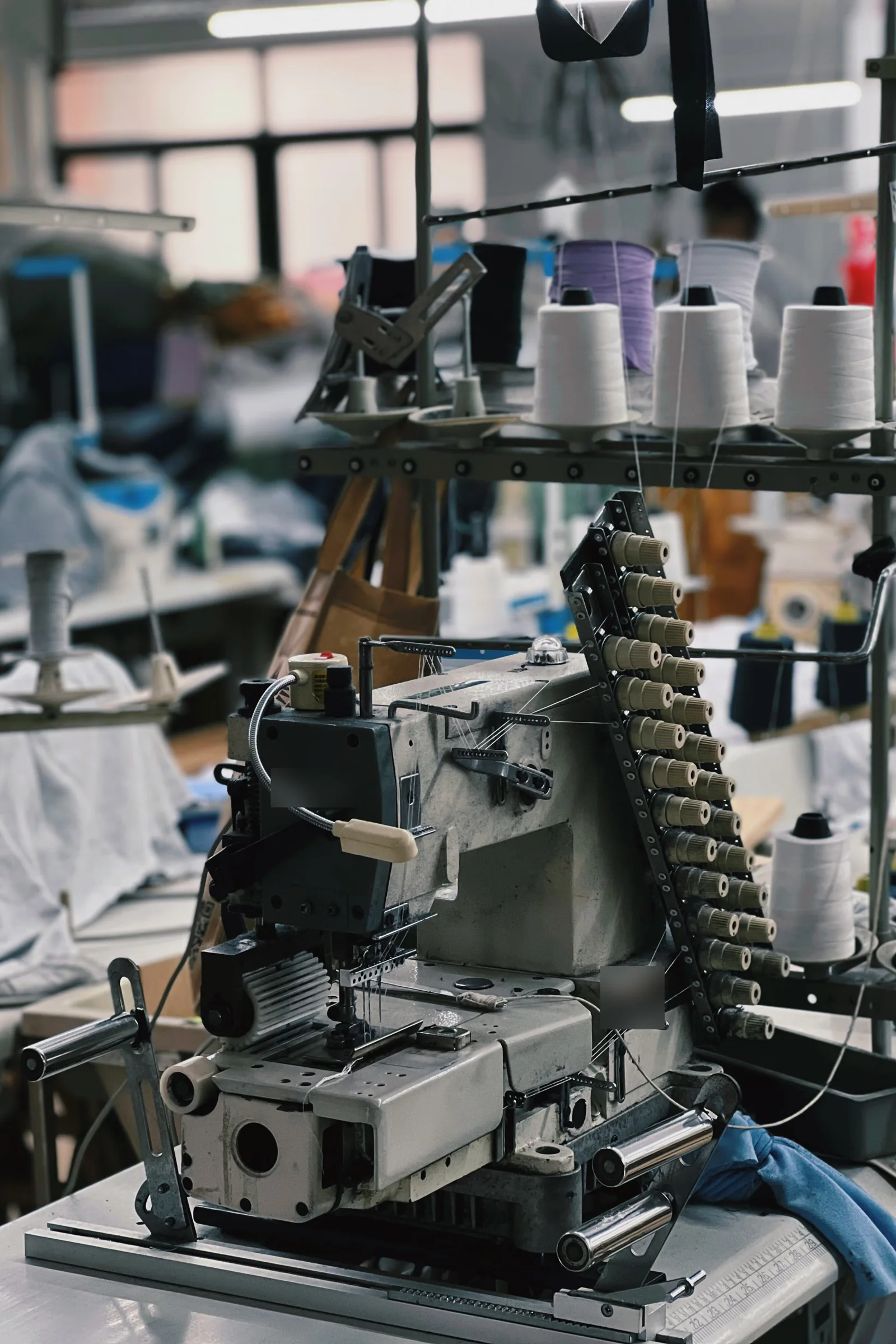
STYLE & ASSORTMENT
A single style does not define an entire collection.
Style, fabric, construction, colour allocation and quantity change the available options and project terms. Compare actual SKU records, then confirm the direction against the relevant sample.
Browse catalogue styles ↗03 / PRODUCT BRIEF CHECKLIST
Bring what you know. Mark what is still open.
A written brief or reference image can start the review. You can leave fields open during the first conversation.
✓ Already available ○ To confirm together
- Product category or SKU
- Reference image, sketch or sample
- Activity and target market
- Size direction
- Fabric, colour and branding
- Estimated quantity and timing
- Questions to resolve
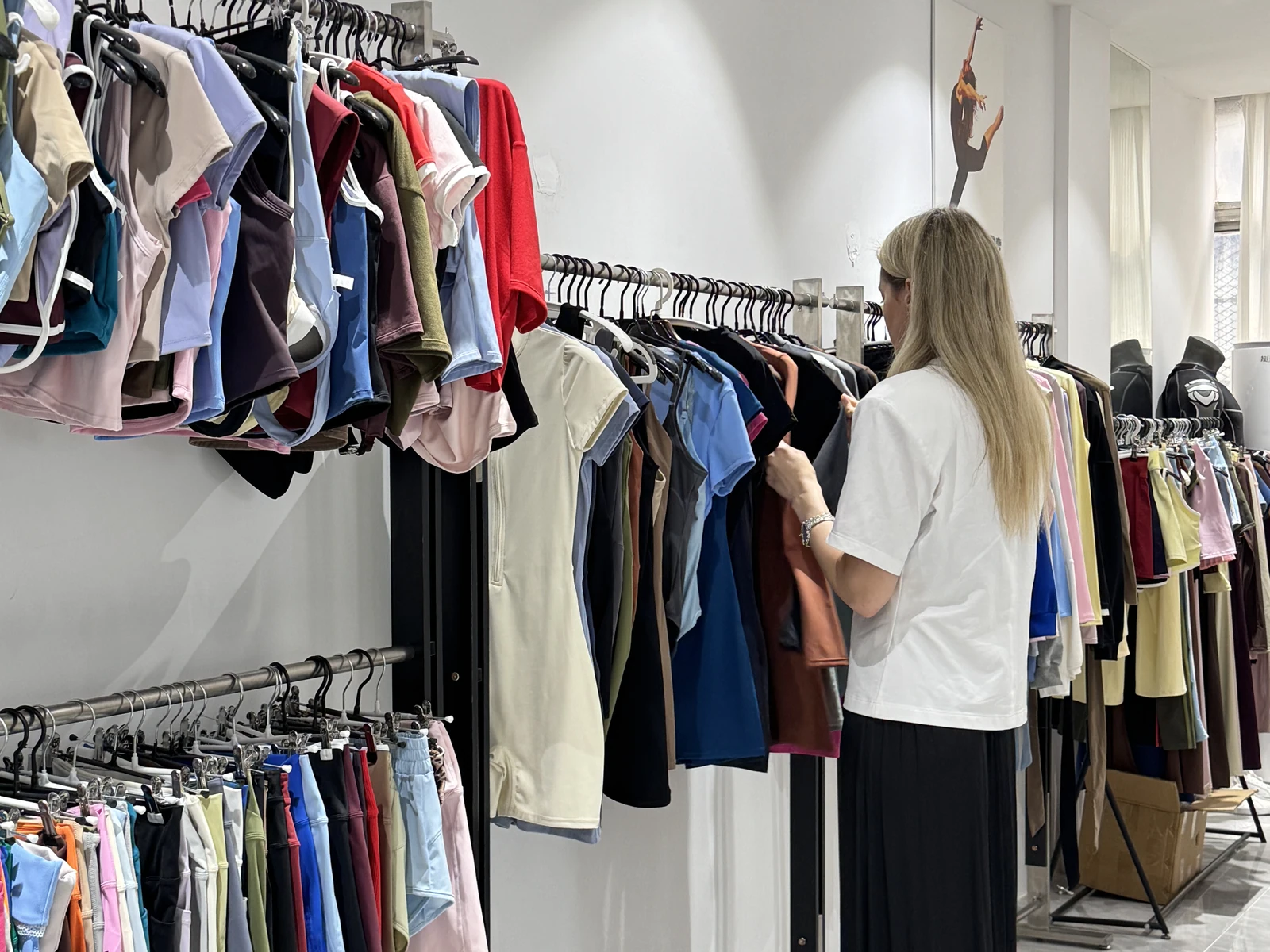
04 / BUYER QUESTIONS
Useful answers before you begin.
Do I need a complete tech pack?
No. A SKU, sketch, reference image, sample or written brief can start the discussion.
Can we start from a website product?
Yes. Share its SKU and the changes you want to discuss. Catalogue presentation does not mean ready stock.
Can fabric, colour, size and branding be discussed?
Yes, as project directions. Availability and conditions are confirmed for the selected style and material.
When are quantity, cost and timing confirmed?
After reviewing style, fabric, colour allocation, quantity and customization scope.
What should I send if I find an issue after delivery?
Send the SKU, order reference, description and relevant photos. The review route depends on the agreed order terms.
TAKE THE NEXT STEP
Start with a style, a reference or a question.
A SKU or reference makes the first review specific. Discussing a brief does not mean the project is approved.